The Fiji book flood
Fiji, 19801 min read
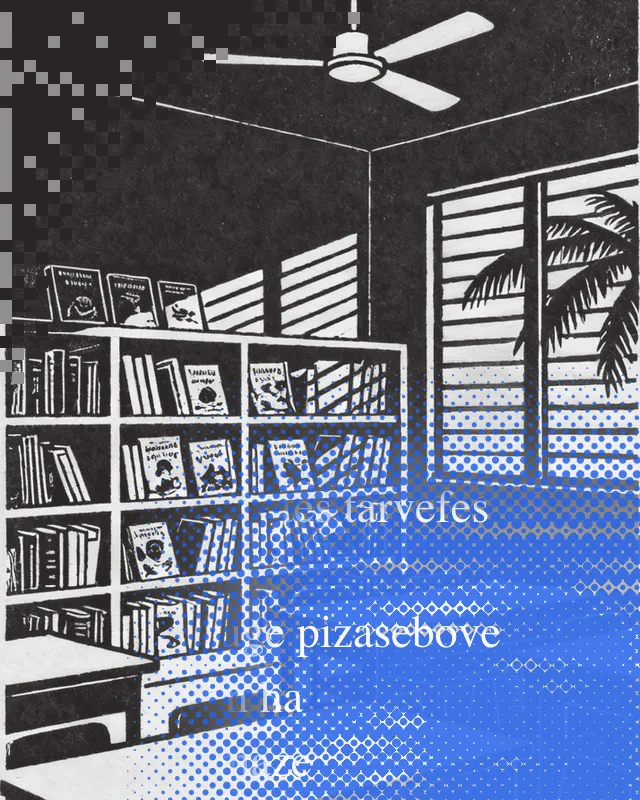
In 1980, eight rural primary schools in Fiji got a delivery of books. Each participating class of nine- to eleven-year-olds, all learning English as a second language, received about 250 illustrated storybooks and thirty minutes a day to read them. Some classes read silently.
In others the teacher read with the class, in a "shared book" method. The control classes carried on with the standard structured, drill-based English course.
Elley and Mangubhai (1983) followed them for two years. After eight months, the book-flood classes had progressed in reading and listening comprehension at about twice the rate of the control classes. By the end of the second year the gains had spread to writing, grammar and other measures, and the shared-book classes had done best of all.
This is the founding study of what the field now calls extensive reading: reading a lot of easy, interesting material in the language. It is also the simplest version of the whole argument.
The children who were taught English learned some English. The children who read stories in English learned more of it, including the grammar nobody drilled.
One caveat, since it matters: these were children in school, with a shelf of good books and a protected half hour every day. The books did not do it alone. The routine did.
You can build that routine without a classroom. Pick stories you actually want to read, at a level you can mostly follow, and give them a fixed slot in the day. Read and listen together if it helps you keep going, and check a word only when you lose the thread.
Aloglot was built for exactly this: a shelf of books at every level in 93 languages, each read aloud with the words lit as they are spoken, the English under every sentence, and any word explained when you tap it. Thirty minutes a day is the part only you can supply.
Sources
- Elley and Mangubhai (1983). The impact of reading on second language learning. Reading Research Quarterly, 19(1), 53–67.
Half an hour a day with a shelf of stories is what the Fiji classes had. The shelf is here.
Read your first book for freeMore like this
All posts →
A novel at a time
Budapest, 1944
Kató Lomb began each of sixteen languages with a novel she couldn’t read yet.
English at sea
At sea, 1878
Joseph Conrad learned English at sea in his twenties, then wrote Heart of Darkness in it.
It’s not too late
The Netherlands, 1978
Adults learning Dutch outpaced young children all year, and teenagers were fastest.